Offense
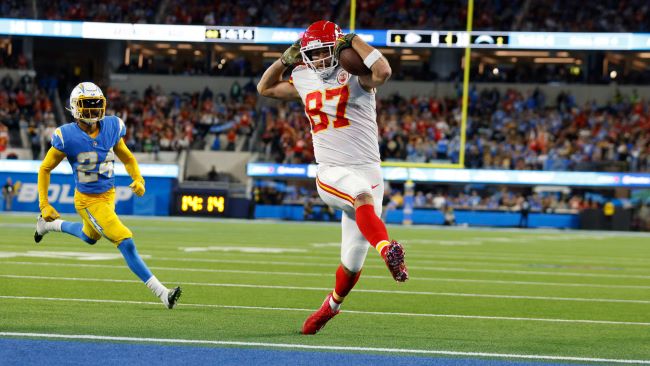
The offensive side of American football is responsible for advancing the ball and scoring points. The quarterback acts as the primary decision-maker, breaking down plays and either passing the ball to receivers, handing it off to running backs or running with it themselves. The offensive line, comprised of large players protects the quarterback and creates openings for the running back. The primary goal of the offense is to gain at least 10 yards within a series of four downs. If successful, they reset to a new series of downs, continuing their drive toward the end zone. Key skill positions include wide receivers who catch passes, and tight ends who both block and receive. The offensive line protects the quarterback and makes space for them to make as many plays as possible.
Offensive strategies vary widely depending on a team's strengths and the situation in the game. Teams might focus on a passing game, which is when quarterbacks lob a pass to eligible receivers; quarterbacks who are in a tight spot or need more guaranteed yards are likely to play a run game. Offensive schemes also include play-action passes which fake a run to confuse the defense and other options that are considered mixups or trick plays to throw off the opposing team. Every offense has an offensive coordinator, coordinating plays for the offense to successfully undo the opposing defense.